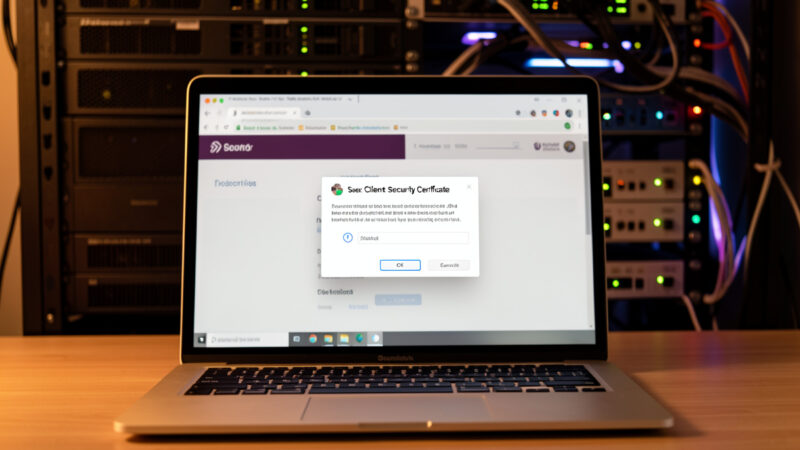
mTLS for Self-Hosted Services: Client Certificates Explained
Mutual TLS (mTLS) turns a certificate into a login: the client must present a certificate your server trusts, or the…
Internal certificate authorities, TLS certificates, and HTTPS for self-hosted homelab services.
Mutual TLS (mTLS) turns a certificate into a login: the client must present a certificate your server trusts, or the…
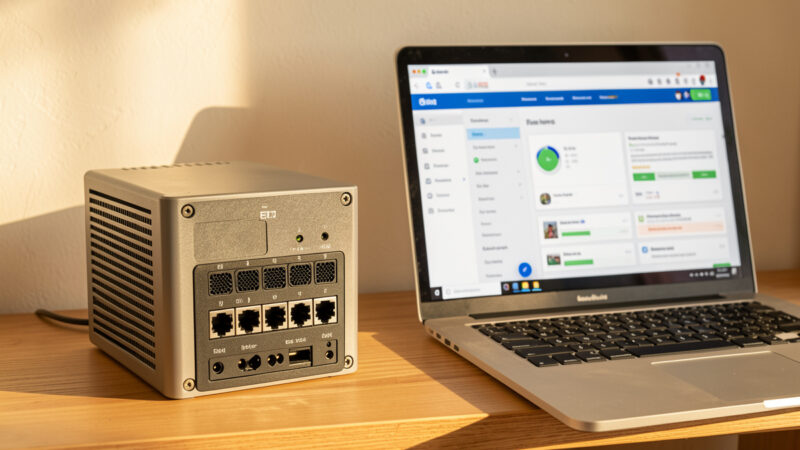
OPNsense has an ACME Client plugin that fetches a free Let’s Encrypt certificate for the firewall’s own web UI and…
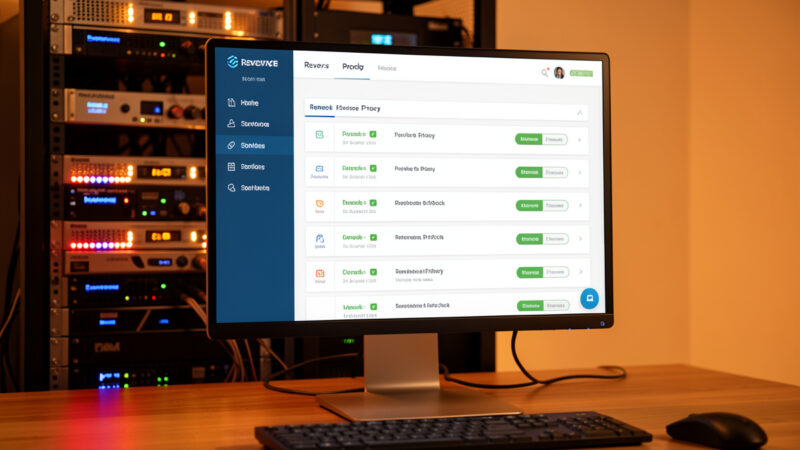
For automatic HTTPS in a homelab, Caddy is the easiest, Traefik is the best fit if your services are Docker…
To trust your own certificate authority you install its root certificate into each device’s trust store — and the catch…
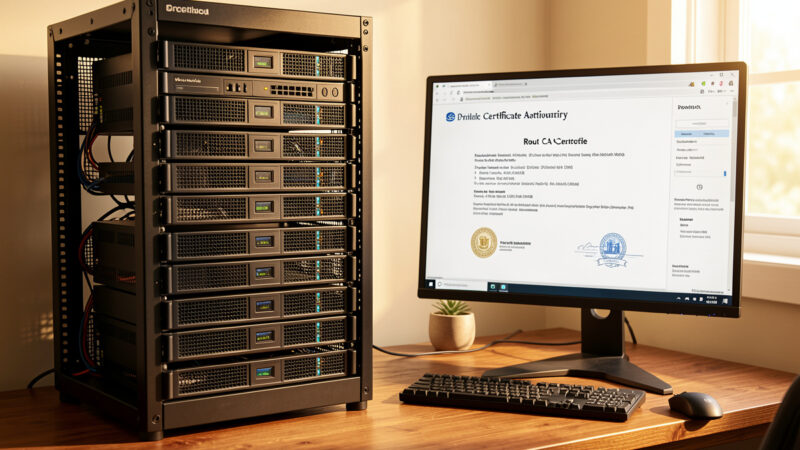
Running your own certificate authority with step-ca gives you an ACME server you fully control — the same automated workflow…
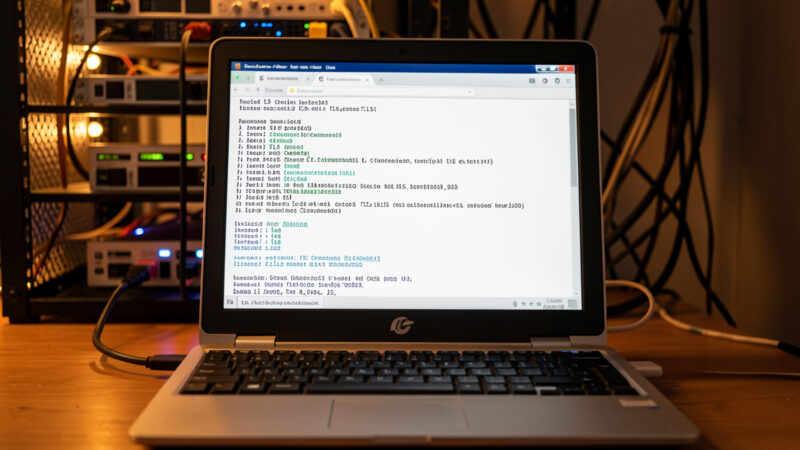
A Let’s Encrypt wildcard certificate lets one *.home.example.com certificate cover every internal service you run, and the DNS-01 challenge is…
Use a real public domain — a subdomain like home.example.com — for your homelab, not .local. A registered domain gives…
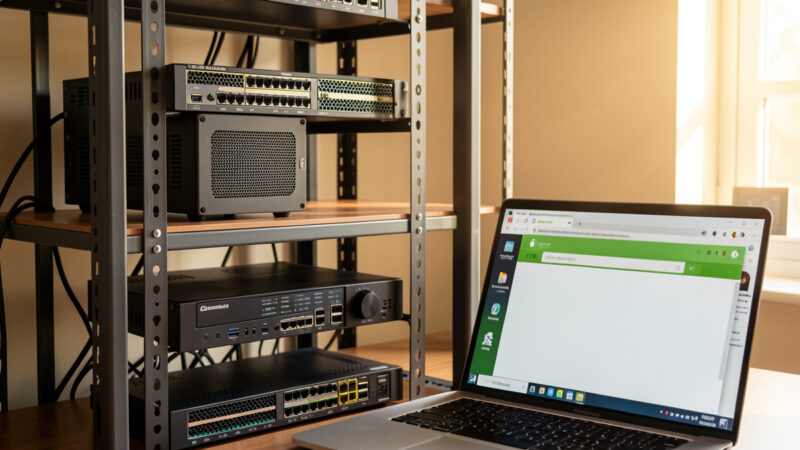
Real HTTPS for a homelab means every internal service loads with a green padlock and no browser warning — and…