
Replace a UPS battery when its runtime has dropped sharply, when it fails a self-test, or when it simply hits three to five years old — whichever comes first. The job is a ten-minute swap: power considerations first, match the exact voltage and amp-hour rating, disconnect one terminal at a time with insulated tools, fit the new sealed lead-acid cells, then recalibrate and reset the replacement date in software. Done on schedule, it turns a UPS into a fifteen-year piece of infrastructure instead of a five-year throwaway.
The reason this matters is that UPS batteries fail quietly. They do not throw a dramatic error — they just deliver less and less runtime until an outage catches you with ninety seconds where you used to have twelve minutes. Treating battery replacement as scheduled maintenance, the same way you would rotate any consumable, is the difference between a UPS that protects your data and one that gives you false confidence. This guide sits under the UPS and power management hub and pairs with the runtime calculation guide, which explains the falling-runtime signal you are watching for.
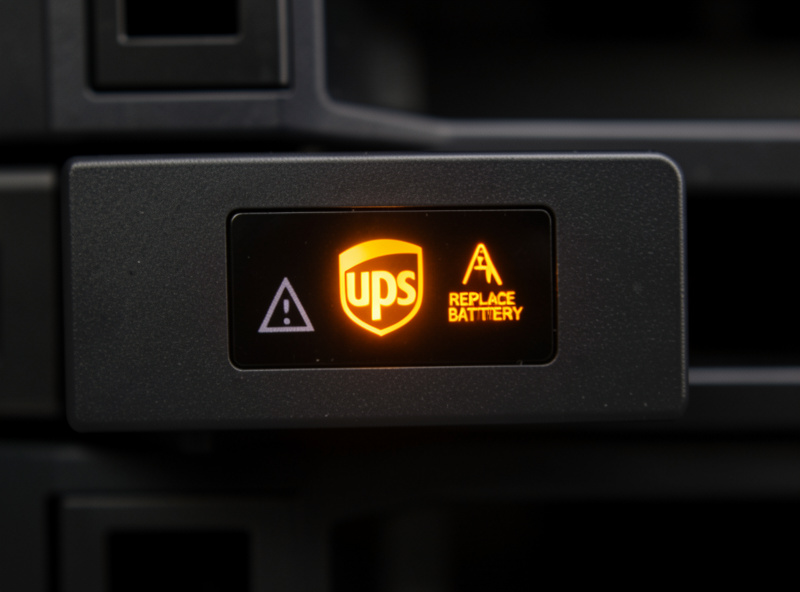
When to replace: the four signals
There are four cues, and any one of them is enough. The first is age — sealed lead-acid (VRLA/AGM) cells inside a UPS last roughly three to five years, and a battery past that window is living on borrowed time regardless of how it tests. The second is a failed or poor self-test; most units run a periodic battery test and will flag a “replace battery” condition. The third is collapsing runtime: if your unit reported twelve minutes at your load when new and now reports two, the battery is nearly done. The fourth is physical — a swollen, leaking, or hot battery is a replace-now safety issue, not a wait-and-see.
The runtime signal is the one I watch most, because it is continuous rather than pass/fail. Reading the estimated runtime over USB with NUT’s upsc and noting it a couple of times a year gives you a trend line that warns you months ahead. A battery does not fail on a schedule you can predict to the day, but the falling number tells you the cliff is coming long before you reach it.
Safety first: these cells store real energy
A UPS battery is a low-voltage but high-current source, and a shorted sealed lead-acid battery can deliver enough current to weld a ring to your finger or melt a screwdriver. Treat it with respect. Remove any rings or metal jewelry, use an insulated screwdriver, and disconnect and reconnect one terminal at a time so you never bridge both at once. Work on a dry surface, and never short the terminals together to “test” anything. None of this is difficult — it is the same discipline you would apply to any battery work — but skipping it is how people get hurt or damage the unit.
Decide up front whether you are doing a hot-swap or a powered-down swap. Many home lab units support hot-swapping the battery while the UPS keeps conditioning power, which avoids dropping your load — but during the swap there is no battery backup, so a power cut at that exact moment takes everything down. I prefer to gracefully shut the protected gear down first and swap with the UPS off; it costs a few minutes of downtime and removes all the risk. If you hot-swap, do it when an outage is unlikely and work quickly.
Match the battery exactly
The replacement must match the original’s voltage and amp-hour rating and physical size. A unit with two 12 V, 9 Ah cells needs two 12 V, 9 Ah cells — not 7 Ah, not 12 Ah crammed in where it does not fit. You have two sourcing options: the vendor’s drop-in replacement cartridge (APC’s RBC part numbers, for example), which is convenient but carries a brand premium, or generic sealed lead-acid cells of the identical spec, which cost less but require you to transfer the cartridge frame or wiring harness. Both work; the cells inside a branded cartridge are standard SLA batteries, so a correctly-specified generic is electrically the same.
This is also where the brand choice you made at purchase comes home to roost — CyberPower units more often take standard cells, while APC leans on proprietary cartridges, a trade-off covered in the APC vs CyberPower comparison. Whatever you buy, match the spec exactly and buy a matched pair (or set) of the same age and brand so the cells age together — mixing an old and a new battery in series drags the new one down to the weak one’s level.
The swap, step by step
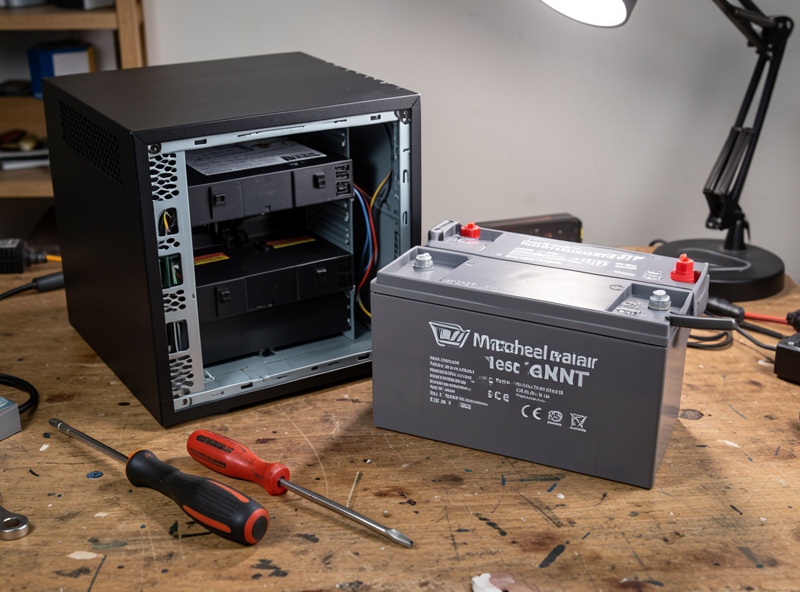
With the gear gracefully shut down and the UPS powered off (for the safe method), the swap is straightforward. Open the battery compartment — usually a front or bottom panel held by a couple of screws or clips. Note how the existing cells are wired before you disturb anything; a quick photo on your phone is the cheapest insurance against a reversed connection. Disconnect the terminals one at a time, slide the old cartridge or cells out, and set them aside for recycling. Slide the new cells in, reconnect the terminals in the same orientation — one at a time — and close the compartment.
Power the UPS back on and watch it report a healthy battery. Then do two things people forget: run a self-test/calibration so the unit recalculates its runtime estimate against the fresh battery, and reset the battery-installation date in the UPS software or management card. That date is what the unit uses to schedule future tests and to warn you next time, so a wrong date means a wrong warning. Bring your protected gear back up and confirm upsc reports the runtime you expected from a new battery.
Recycle the old cells — do not bin them
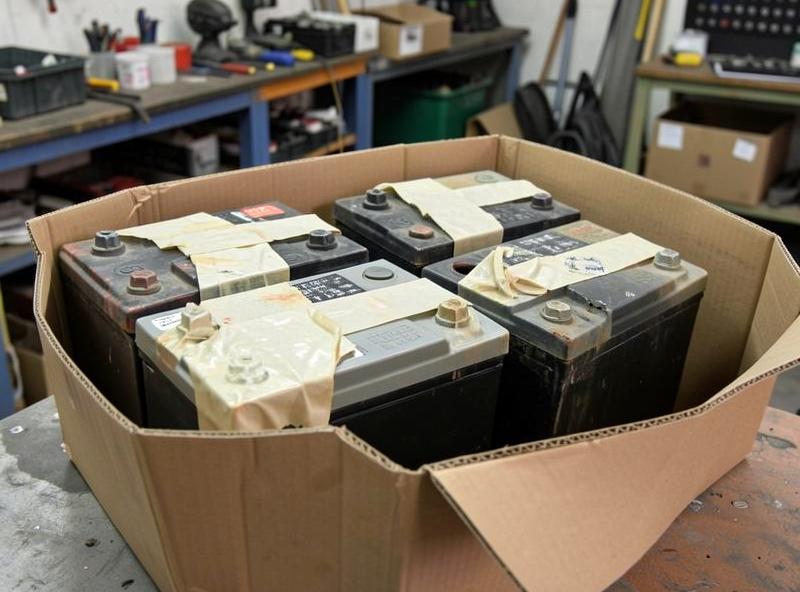
Sealed lead-acid batteries are fully recyclable and must not go in household waste — the lead and acid are both hazardous and both valuable. Most auto-parts stores, battery retailers, and municipal recycling centers — plus drop-off programs like Call2Recycle — take SLA/VRLA batteries for free because the lead has resale value. Tape over the terminals before transport so they cannot short against metal, and drop them at a proper facility. It is a five-minute errand and the responsible end to the battery’s life.
When a UPS battery is not the answer anymore
Replacing the battery makes sense as long as the UPS chassis is sound and you only need minutes of runtime. But if you keep wishing for more — if what you actually want is to ride out hours of outage rather than shut down cleanly in minutes — you have outgrown what a UPS battery does, and no amount of re-celling changes that. That is the point where a home battery or whole-home backup system enters the picture, a genuinely different technology with different chemistry, sizing, and safety considerations. If that is where your thinking is headed, the deeper dive on home battery backup and storage chemistry lives at Battery Storage HQ, which covers the larger systems a UPS hands off to. For everything short of that, a fresh set of SLA cells every few years is the right, cheap answer — and how to stage a UPS alongside longer-duration power is in the power redundancy guide.
Frequently Asked Questions
How often should I replace a UPS battery?
Every three to five years, or sooner if runtime drops sharply, the unit fails a self-test, or the battery is physically swollen. The sealed lead-acid cells degrade with age and charge cycles regardless of use, so even a lightly-loaded UPS needs fresh cells on roughly that schedule. Watch the reported runtime trend for an early warning.
Can I replace a UPS battery myself?
Yes. It is a ten-minute job: power considerations first, match the exact voltage and amp-hour rating, disconnect one terminal at a time with an insulated tool, fit the new cells, then recalibrate and reset the install date. Remove metal jewelry and never bridge both terminals at once, since a shorted SLA battery delivers dangerous current.
Do I have to buy the brand-name replacement battery?
No. Vendor cartridges like APC’s RBC are convenient drop-ins but carry a premium. The cells inside are standard sealed lead-acid, so a correctly-specified generic of the identical voltage, amp-hour rating, and size is electrically the same and costs less. Buy a matched set of the same age and brand so the cells age together.
Can I hot-swap a UPS battery without shutting down?
Many home lab units support hot-swapping while the UPS keeps conditioning power, but during the swap there is no battery backup, so a power cut at that moment takes your load down. The safer method is to gracefully shut the protected gear down and swap with the UPS off. Hot-swap only when an outage is unlikely and work quickly.
Why does my new UPS battery still show low runtime?
Run a self-test or calibration after the swap so the unit recalculates its runtime estimate against the fresh battery, and reset the battery-installation date in the software. Without recalibration the UPS may still report the old, degraded figure. Also confirm you matched the amp-hour rating and that both cells are new, not mixed old and new.
How do I dispose of an old UPS battery?
Recycle it — never put it in household waste. Sealed lead-acid batteries are fully recyclable, and most auto-parts stores, battery retailers, and municipal centers accept them for free because the lead has value. Tape over the terminals before transport so they cannot short against metal, then drop them at a proper facility.
Related Articles
- Home Lab UPS & Power Management Hub
- UPS Runtime Calculation for a Home Lab
- APC vs CyberPower for the Home Lab
- Home Lab Power Redundancy Guide
- Best UPS for a Home Lab Server